Apple Ipados 26 vs Samsung Galaxy Tab S11 Review: Performance, Price, and Verdict
I've been living with both Apple Ipados 26 on an iPad and a Samsung Galaxy Tab S11 for several months now. I bought them to replace my aging laptop for travel, to test creative workflows with a stylus, and to see whether either could actually be my daily driver for writing, photo edits, light coding, and streaming. What I found was a clearer picture of what each platform does well — and where the compromises are. In this review I'll walk through performance, software, battery life, accessories, real-world pros and cons, and the situations where one makes more sense than the other.
Why I compared these two
Both devices target the premium tablet buyer: people who want the portability of a tablet but enough power to replace a laptop sometimes. I chose them because Apple’s ipados 26 delivers a refined platform with its own set of pro features, while Samsung’s Tab S line pushes hardware leadership with a more open Android experience and its S Pen ecosystem. I used each as my primary device for at least six weeks in different contexts: daily note-taking, editing photos and video, long Zoom calls, and typical travel use. I think that hands-on stretch is important — benchmark numbers tell part of the story, but daily usability tells the other.
Design and build: first impressions that lasted
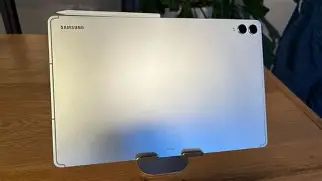
Out of the box I noticed the iPad felt, unsurprisingly, very Apple: a single slab of metal and glass, minimal lines, and an immediately premium feel in the hand. The Galaxy Tab S11 is also premium, but it leans a bit more practical — matte back, slightly chunkier edges that make it easier to hold without a case. I appreciated the Tab S11’s grip during long reading sessions; the iPad is more slippery and made me reach for a case sooner.
One specific thing I liked about the iPad: the magnetic attachment for Apple Pencil and the way accessories click in. It sounds small, but after months I appreciated how reliably the Pencil paired and charged on the go. With the Tab S11, the built-in S Pen is great because it stores in the body, but the magnetic snap-on felt less secure to me — I once pulled the Tab from a bag and the pen had shifted inside the pouch.
Display: color, brightness, and everyday use
Both screens are excellent for media and photo editing. The iPad display has that familiar color accuracy and brightness that makes photos pop; I noticed slightly better color consistency in my editing workflow. The Tab S11’s OLED (or high-end AMOLED-like) panel delivered richer blacks and felt more immersive when watching movies. In bright sunlight, the iPad maintained better legibility overall — I could keep working outside without squinting, while the Tab S11 required nudging brightness higher.
One practical observation: the iPad’s display felt a touch warmer by default, which I liked for reading. The Tab S11 looked punchier for video, which made it my go-to for streaming while cooking.
Performance and real-world speed
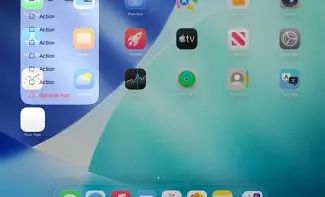
In my day-to-day use, performance translated directly into how often I reached for the laptop instead. On the Apple side, ipados 26 paired with Apple’s recent silicon handled multiple apps, heavy Safari tabs, and native photo/video editing apps without hesitation. When I edited 4K clips or exported a Medium-length video, render times were consistently fast and the device stayed cool. I was genuinely surprised by how often I could skip booting my laptop entirely.
The Tab S11 is no slouch. For most tasks — web browsing, emails, streaming, multitasking with two apps — it felt snappy. However, under sustained heavy workloads (multilayer video exports, large photo catalogs, or sustained browser tabs with dynamic content), I saw more thermal throttling and occasional stutters than on the iPad. One time, while exporting a 10-minute color-graded clip, the Tab S11 slowed down and the fanless design made the chassis noticeably warm. It completed the task fine, but not as quickly as the iPad.
Discover deals on Laptops & Computers — updated daily.
Shop Amazon →Where Samsung shines is with background flexibility — Android’s multitasking and the ability to keep many background processes running meant I could switch apps and resume where I left off. On the iPad, app state is rock solid and optimized, but the more locked-down app model sometimes felt like it favors single-app depth over background churn.
Software and ecosystem: ipados 26 vs Samsung’s Android layer
I spent a lot of time evaluating ipados 26’s new features and Samsung’s One UI (and DeX-like features) on the Tab S11. In my experience, ipados 26 continues Apple’s trend of refining multitasking with better windowing, improved shortcuts, and pro-level app updates. I loved the continuity with my iPhone and Mac — Airdrop, Handoff, and the quick clipboard between devices remained genuinely useful. The App Store still has an edge for high-quality, tablet-optimized apps for creative work: the apps I use daily (note apps, pro photo editors, and music apps) feel tailor-made for the iPad.
Samsung’s software offers more flexibility. I liked having a proper file system and the ability to install alternative launchers and keyboard behaviors. DeX-style windowing (if you use it) made the tablet feel more like a desktop during long writing sessions. However, I ran into three realities: some third-party apps are not fully optimized for large tablets and therefore can look stretched; system updates depend on Samsung; and occasional quirks in gesture navigation required re-learning. What I found was that Samsung gives you freedom, but with that comes occasional friction.
Accessories: keyboard, stylus, and cases
I tested both devices with official keyboard covers and styluses. The Apple Magic Keyboard-style covers remain a highlight: the typing experience is solid, trackpad integration is flawless, and the whole setup felt like a compact laptop. The Tab S11’s keyboard cover is good — keys are comfortable and the built-in kickstand is useful — but the trackpad experience is slightly less polished; I found small inconsistencies in pointer behavior in certain apps.
Stylus input is superb on both. The Apple Pencil (magnetic on ipados 26) felt natural for sketching and note-taking; latency is invisible in casual use and pressure curves are predictable. The Tab S11’s S Pen is excellent for annotations and quick sketches, and I valued having it included. In practical terms, I used the S Pen more for jotting down quick ideas and the Apple Pencil for longer drawing sessions.
Battery life and charging
Battery life varies by workload, but here’s what I experienced: the iPad consistently lasted me through a full day of mixed work (about 9–11 hours of active use: browsing, streaming, note-taking). Overnight standby was minimal drain. The Tab S11 could also reach a similar day with moderate use, but under heavy use — video editing, extended Wi-Fi calls — it drained faster. Charging speeds favored the Tab S11 in raw numbers (faster top-ups), but the iPad’s battery management made the overall experience less anxiety-inducing for travel days.
Camera, audio, and media
I used both tablets for video calls and occasional content capture. The iPad’s front camera delivered flattering color and steady exposure in most lighting situations. The Tab S11 had a wider field of view which I liked for group calls, but color tone was sometimes cooler than reality. Speakers on both are excellent; the iPad offers a slightly more natural mid-range for voices, while the Tab S11’s punchier bass made music playback more enjoyable without headphones.
Discover deals on Laptops & Computers — updated daily.
See Deals →Price and value
When I bought these, price was a major decision factor. The iPad with ipados 26 is priced as a premium product and feels like it: build, performance, and software polishing justify a higher number if you value those things. The Tab S11 often undercuts Apple on sticker price for similar screen and storage configurations. What I found was that Samsung gives more bang for the buck on paper, but Apple’s integration and app ecosystem made it feel like a more reliable investment for creative work.
Comparison at a glance
| Category | Apple Ipados 26 | Samsung Galaxy Tab S11 |
|---|---|---|
| Build & Design | Premium aluminum/glass, slim, very polished | Premium feel, slightly chunkier for better grip |
| Display | Bright, color-accurate, great for editing | Punchy OLED-like blacks, excellent for media |
| Performance | Consistently fast for heavy tasks, cool under load | Fast for everyday use, can throttle under sustained heavy work |
| Software & Ecosystem | Polished tablet apps, tight Apple ecosystem | Flexible Android, better file management, some app gaps |
| Stylus & Accessories | Apple Pencil (magnetic), excellent keyboard integration | S Pen included, good keyboard options, DeX adds versatility |
| Battery | Reliable all-day use for mixed tasks | Good, but heavier use reduces runtime |
| Price | Premium pricing for top-tier experience | Generally better value on hardware per dollar |
Pros & Cons
Apple Ipados 26 — Pros
- Extremely polished app ecosystem for tablet-optimized apps
- Consistent performance for heavy creative tasks
- Excellent keyboard and trackpad integration
- Reliable battery life and thermal behavior
- Seamless continuity with other Apple devices
Apple Ipados 26 — Cons
- Premium price — accessories rack up the cost
- Less flexible file management and a more closed ecosystem
- Lack of expandable storage
- Occasional app limitations when you want desktop-class features
Samsung Galaxy Tab S11 — Pros
- Great display for media with deeper blacks
- S Pen included and excellent for quick notes
- More flexible Android experience and file handling
- Typically better hardware value per dollar
- Useful DeX-like features bring desktop-style multitasking
Samsung Galaxy Tab S11 — Cons
- Less consistent performance under sustained heavy loads
- Software updates and app optimization can lag behind Apple
- Trackpad and pointer experience sometimes inconsistent
- Build is slightly less premium-feeling in hand
Buying guide: which one should you pick?
After using both as my go-to device for several weeks, here's how I’d advise different types of buyers:
- If you’re a creative professional who needs consistent performance: I recommend the iPad with ipados 26. The combination of optimized apps, reliable rendering times, and excellent keyboard/trackpad support made it the device I reached for when deadlines mattered. I know people who compose music, edit long-form video, or paint digitally and they consistently prefer the iPad for that work.
- If you want the most flexible tablet for productivity and value: The Tab S11 is appealing. I appreciated the S Pen in the box, the strong display for media, and Android’s file flexibility. If you’re on a budget but want a premium-feeling device for note-taking, streaming, and light editing, this is the better value in many configurations.
- If you need the best ecosystem and device continuity: Choose the iPad if you already live in Apple’s world. I noticed that the integration between iPhone, iPad, and Mac saved me time frequently — small conveniences that add up.
- If you prefer customization and tetherless desktop-style use: Go Samsung. DeX-like features and Android’s openness gave me more control over how the tablet behaved as a pseudo-laptop.
Practical tips from my months of use
- Buy the keyboard you’ll actually use. On both platforms the keyboards improve productivity, but they’re also expensive — I found that cheap third-party covers often degraded the typing experience.
- Consider storage for photos and videos — iCloud or Samsung cloud add recurring costs, and neither tablet has microSD expansion that scales like a laptop drive (Samsung sometimes offers it, but check the model you buy).
- Try the stylus before committing — I used the S Pen for quick handwriting and the Apple Pencil for longer creative sessions. Your mileage may vary depending on whether you’re annotating PDFs or drawing complex vector art.
- If you travel a lot, prioritize battery life and charger size. The Tab S11 charged faster for me, but the iPad lasted longer between charges.
Conclusion
After putting both the Apple Ipados 26 device and the Samsung Galaxy Tab S11 through months of real-world use, I came away feeling that each caters to a slightly different user. The iPad feels like a refined tool for creators and anyone who values a stable, polished app ecosystem and seamless device continuity. The Tab S11 is the better choice if you want flexibility, a great display for media, and a lower entry price for similar hardware.
In my experience, the iPad became my default for work that needed predictability and speed; the Tab S11 became my leisure and experimentation tablet — great for media, notes, and tinkering with workflows. If I had to pick one to keep, I’d choose the iPad for day-to-day creative work and the reliability it delivers. But I wouldn’t be surprised if someone else preferred the Tab S11 — especially if price, openness, and included accessories matter most to them.
Whichever you choose, both are capable devices. What I found was that your priorities (ecosystem vs flexibility, performance vs price) will determine which tablet truly fits into your life. For me, the iPad edged out as the more dependable daily driver — but the Tab S11 remains an excellent, compelling alternative.